

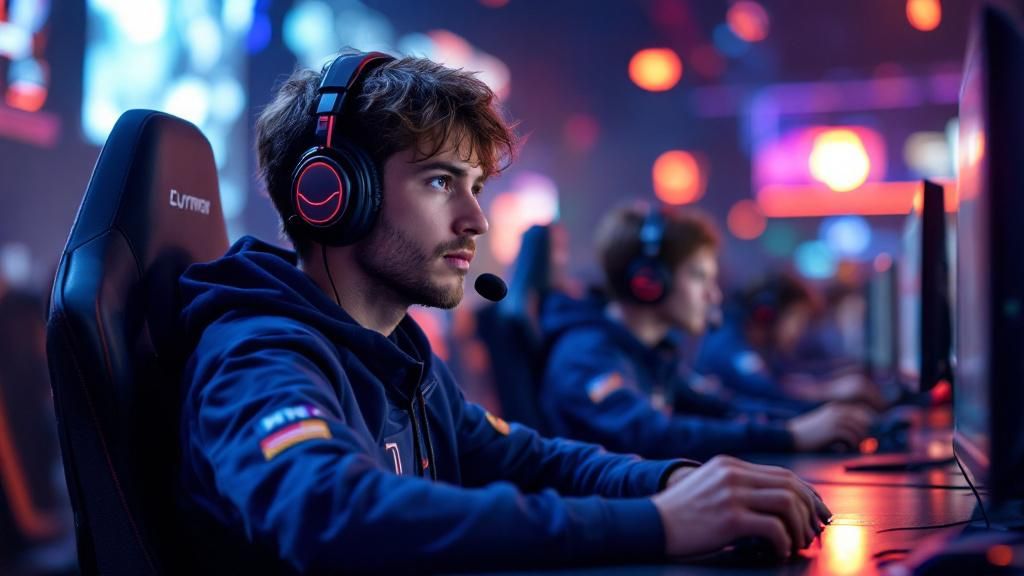
The esports industry has made considerable progress in emphasising competitor wellbeing. Prominent event operators have collectively introduced a comprehensive player welfare standards framework, tackling longstanding concerns about mental wellbeing, labour conditions, and just treatment within professional gaming. This significant undertaking constitutes a pivotal moment for esports legitimacy, creating minimum standards that could reshape how the industry operates. We examine the framework’s principal elements, the entities leading this transformation, and what it means for competitors and the esports ecosystem in the future.
Sector-Wide Dedication to Player Health
The joint initiative between major esports companies marks a watershed moment for competitor welfare within competitive gaming. This cohesive approach demonstrates the market’s authentic resolve to establishing sustainable standards that place athlete welfare first alongside competitive excellence. By pooling resources and expertise, these organisations have created comprehensive guidelines addressing bodily fitness, emotional health, and occupational safety. The initiative reflects expanding understanding that athlete wellbeing significantly affects output standards and sustained careers, making it crucial for the industry’s standing and expansion.
Tournament administrators have confirmed that past requirements were scattered and uneven, leaving players vulnerable to overwork and exhaustion. The new framework standardises expectations among principal events, guaranteeing all professional athletes receives equitable treatment and connection to crucial welfare resources. This integrated system eradicates unequal conditions resulting from differing safeguards and establishes a level playing field. Industry leaders emphasise that these standards form essential foundations, prompting entities to exceed baseline expectations and create truly caring settings where athletes can flourish across professional and personal dimensions.
Key Aspects of the Welfare Provision
The recently created welfare framework consists of various interrelated pillars created to safeguard player welfare completely. These provisions address mental wellbeing assistance, physical wellbeing, fair working conditions, and straightforward conflict resolution procedures. By bringing these provisions together, tournament organisers aim to develop a comprehensive strategy that treats esports athletes as competitive professionals warranting strong safeguards. The framework establishes minimum standards that all associated competitions must implement, ensuring uniform player protections across the professional gaming environment.
Mental Health Support Services
Acknowledging the mental health challenges characteristic of professional esports, the framework requires provision of qualified psychologists for all players competing. Tournament operators are required to provide confidential counselling services, through direct delivery or collaborative arrangements with accredited mental health professionals. These services encompass stress management, performance anxiety support, and emergency intervention services. Players gain access to trained psychologists who understand esports-specific challenges, including digital harassment, high-level competitive stress, and uncertain career prospects.
The framework additionally stipulates tournaments to implement mental wellbeing education initiatives and destigmatisation initiatives across the community. Organisers are required to inform players, coaches, and staff about identifying wellbeing issues and accessing proper help. Regular check-ins and health surveillance programmes help spot struggling players at an early stage, enabling proactive intervention before situations progress into severe mental health emergencies.
Physical Health Requirements
Tournament coordinators must create thorough health and safety standards tackling ergonomics, recovery intervals, and healthcare monitoring. The framework mandates appropriate chairs, screen placement, and downtime to reduce RSI prevalent in esports professionals. Medical staff must be present at major tournaments to address immediate medical concerns, whilst organisers are obliged to provide information about harm prevention and appropriate healthcare resources for sustained athlete progression.
Environmental factors at tournament locations are now covered under strict standards ensuring player wellbeing and safety. Regulations encompass temperature control, lighting standards, and noise levels to create optimal competitive conditions. Additionally, the framework encourages players to undergo regular health assessments and provides guidance on diet, sleep hygiene, and exercise routines essential for sustained competitive excellence in esports.
- Ergonomic equipment evaluations conducted by certified experts
- Required breaks between matches preventing athlete fatigue
- Medical personnel on location present during all tournament proceedings
- Injury prevention education and recovery programme access
- Health monitoring programmes tracking athlete health throughout seasons
Implementation Timeline and Requirements
The framework will be rolled out in three separate phases, beginning immediately with foundational reviews across member organisations. Tournament operators have committed to completing first audits of their present procedures by the first quarter deadline, pinpointing differences between current procedures and the updated requirements. This initial stage ensures a detailed evaluation of each organisation’s starting point before implementing substantive changes. Later stages will involve employee development, guideline amendments, and the implementation of autonomous monitoring systems to guarantee compliance and accountability throughout the esports industry.
The standards themselves include mandatory provisions addressing mental health support, sensible practice arrangements, and transparent prize distribution protocols. Each organisation is required to appoint a specialist player welfare representative accountable for managing grievances and upholding guidelines. Periodic reviews, conducted by third-party bodies, will confirm adherence and pinpoint aspects needing enhancement. These comprehensive measures establish measurable benchmarks for player protection, with enforcement mechanisms including pecuniary fines and prospective event bans for organisations failing to meet required standards.
Industry Response and Future Outlook
The initiative has attracted considerable endorsement from participants throughout the esports ecosystem. Players’ associations have endorsed the framework as a necessary step towards elevating the professionalism of the space, whilst team owners and commercial partners recognise the potential for improved legitimacy and long-term viability. Gaming equipment manufacturers and broadcast services have undertaken to integrate welfare considerations into their day-to-day activities, illustrating a unified resolve to systemic change. Early indications suggest that oversight organisations and public sector leaders regard the criteria favourably, conceivably facilitating statutory acknowledgement of esports as a established professional field.
Looking ahead, sector analysts anticipate that this framework will function as a blueprint for worldwide implementation, with regional competitions and grassroots events expected to adopt comparable standards. The initiative is expected to inspire continued dialogue regarding player compensation, professional progression routes, and psychological support services. As esports continues its meteoric growth, these welfare standards represent a vital protection mechanism guaranteeing that competitive gaming stays viable, inclusive, and considerate for all participants, in turn reinforcing the industry’s position as a genuine professional discipline.
